 Welcome to...
 Austria
 Belgium

How Perfumers Actually Smell a Fragrance: The Art of the Long Game
Have you ever stood at a fragrance counter, spritzed a tester onto a card, and made an instant decision? In the world of artisanal perfumery, that’s equivalent to judging a novel by its first three words. To truly understand a scent, you must learn to “read” it as it unfolds over hours, not seconds.
At Shay & Blue, our approach to fragrance development is rooted in the slow, meticulous craft of Grasse-trained expertise. In Lesson 04 of our scent education series, we’re pulling back the curtain on how professionals evaluate a composition. We will explore the architecture of the fragrance pyramid, the chemistry of evaporation, and why your nose needs patience to find a truly your-skin-but-better finish.
The Fragrance Pyramid: Understanding Scent Architecture
Professional perfumers rarely view a scent as a single, static aroma. Instead, they see a three-dimensional structure known as the fragrance pyramid. This is the blueprint of perfume development, categorising ingredients by their volatility—how quickly they evaporate from the skin or a blotter.
1. The Top Notes (The Hook)
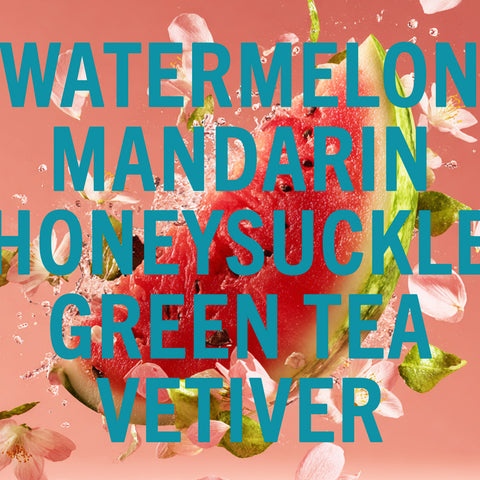
The top notes provide that opening that is super fresh and juicy. These are the smallest molecules and the most volatile, typically lasting between 5 to 15 minutes. While they create the crucial first impression, they are fleeting. Common top notes include citrus like Blood Oranges or light fruits like the body-drenching watermelon freshness found in our Watermelons 30ml.
2. The Heart Notes (The Personality)
Once the initial burst fades, the heart (or middle) notes emerge. This is the soul of the fragrance, making up about 40-80% of the total volume. These molecules are mid-sized and last for 2 to 4 hours. This is where you find modern takes on a rose scent or androgynous floral sophistication. A perfumer spends significant time ensuring the heart transitions smoothly from the top, acting as a bridge to the heavier base.
3. The Base Notes (The Soul)
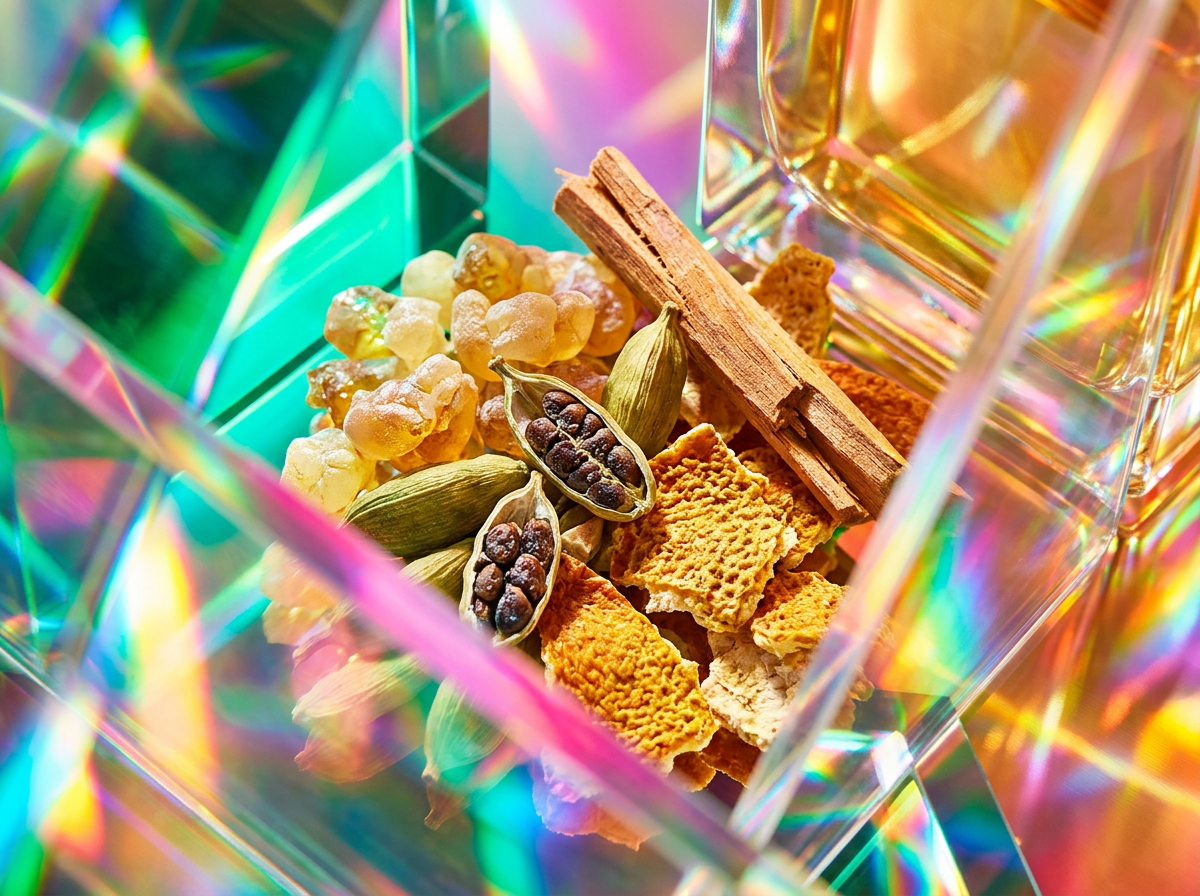
The base is what actually stays on my skin all day. These are large, heavy molecules that don’t evaporate for many hours—sometimes even days on fabric. Ingredients like woods, resins, and musks provide the 12-hour longevity on fabric that defines a high-quality scent. This is where a fragrance dries down to a warm, comforting finish that lingers long after you’ve left the room.
Why Your First Minute Smelling Is a Lie
In the industry, the first 60 seconds of a perfume is often called the "salesman’s notes." High-street brands often front-load their scents with aggressive, bright synthetics to win you over instantly. However, a fragrance that starts off fresh but dries down to something synthetic or flat is the result of poor architecture.
A Shay & Blue perfumer evaluates a scent at specific intervals: 1 minute, 1 hour, 4 hours, and 8 hours. We look for a true-to-note linear dry down, meaning the character of the fragrance should remain consistent and beautiful throughout its life, rather than collapsing into a generic "perfume smell."
"A great fragrance is like a conversation. It shouldn't scream everything at once; it should reveal itself slowly, bit by bit."
Professional Smelling Techniques: How to Evaluate Like a Pro
If you want to find a signature scent that smells expensive but not too strong, follow these steps during your next discovery session:
The Blotter vs. The Skin
Always start on a paper blotter (a smelling strip). This allows you to evaluate the technical structure of the scent. However, because paper is colder than human skin, it doesn’t allow the molecules to bloom. Once you’ve narrowed your choice, you must move to the skin. The heat of your pulse points and your unique skin chemistry will alter the **sensory translation** of the notes.
Environmental Context
Don't smell in a crowded department store full of competing aromas. Step outside. Does the fragrance feel **crisp and airy rather than heavy** in the fresh air? If you are looking for something **safe for the office and not offensive**, you need to see how the sillage (the scent trail) behaves in a neutral environment.
The 'Dry Down' Test
Never buy a fragrance until it has been on your skin for at least two hours. This is the only way to know if it **smells creamy and smooth not sharp** once the top notes have departed. For example, our Black Tulip is a masterclass in this evolution: it opens with a sultry fruitiness of oriental plum before settling into a sophisticated, non-cloying gourmand heart of white chocolate.
Explore Black Tulip 100ml – A day to night fragrance of pleasure and perfection.Recommended Pairings for Your Olfactory Journey
To practice these techniques, we recommend starting with scents that have very distinct, high-quality note structures. Here are three professional-grade examples from the Shay & Blue archives:
- For Citrus Complexity: Blood Oranges. Notice how the initial sparkling and effervescent light of the orange zest transitions into a dark and mysterious luxury of leather and wood. It’s perfectly unisex and shared by my partner.
- For Green Purity: Dandelion Fig. This fragrance is like a real garden after it rains. It captures green and botanical purity without ever feeling heavy, offering a whisper-soft experience that is incredibly modern.
- For Grounding Depth: Kings Wood Noir. As a fragrance concentrate, this offers 12-hour longevity on fabric. It has a bit of an edge to it, moving from fresh pineapple to a deep, mineral and earthy grounding English oak.
Synthetics vs. Naturals: The Perfumer's Palette
A common misconception is that "natural" is always better. In reality, a master perfumer uses a balance. Naturals provide the soul and classic romantic bloom, while high-quality synthetics provide the intimate sillage and stability. At Shay & Blue, we use real flowers, fruits, and spices, but we are also PETA-Certified Cruelty-Free & Vegan, often using clean synthetic alternatives to protect animal welfare and ensure your scent **actually lasts through a whole work day**.
Final Thoughts: Practice Makes Perfect
Smelling is a muscle. The more you consciously identify the transition from a dewy morning freshness to a cozy and enveloping base, the more you will appreciate the craft. The next time you spray, close your eyes. Ask yourself: Is it sweet but not overly sugary? Does it feel airy and transparent or dense? By the time you reach the dry down, you'll know if it's truly the one for you.
In our next instalment, Lesson 05: The Psychology of Scent, we’ll explore how fragrance bypasses the logical brain to trigger memories and deep emotions. Until then, keep your nose curious.


















Share:
Why Your Perfume Disappears (But Everyone Else Can Still Smell It)
The Biggest Luxury Perfume Myths