 Welcome to...
 Austria
 Belgium


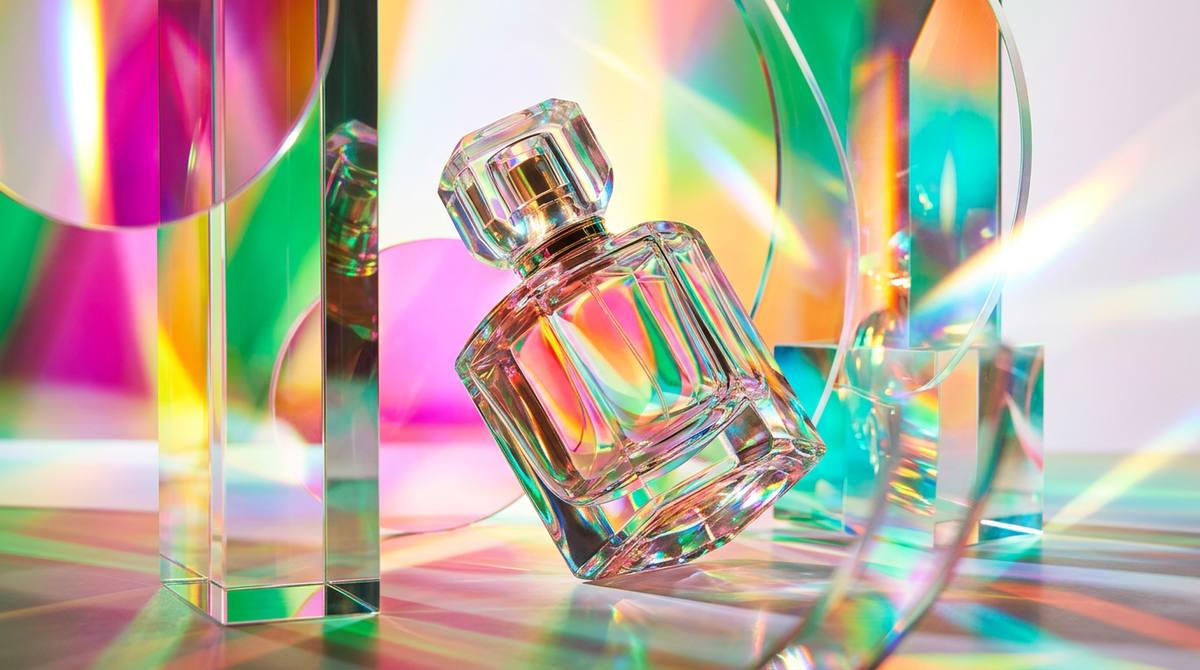
It is a scenario every fragrance lover knows well. You carefully apply your favourite scent in the morning—perhaps a generous spritz of Atropa Belladonna—and for the first twenty minutes, you are enveloped in a heady, mesmerising cloud of cassis and jasmine. But by lunchtime, you’re sniffing your wrist in frustration. It seems to have vanished. You might even feel a twinge of disappointment, wondering if the longevity has failed you.
However, before you reach for the bottle to re-apply for the fourth time, consider this: the person standing next to you in the lift can probably smell you quite clearly. In fact, they might think you smell divine. This phenomenon isn't a fault with the perfume; it is a fascinating quirk of human biology known as olfactory fatigue.
Understanding Olfactory Fatigue: The Science of 'Nose Blindness'
At Shay & Blue, we often hear from customers who worry that their signature scent doesn't last. The truth is usually found in neuroscience rather than the bottle. Olfactory fatigue (or sensory adaptation) is your brain’s way of keeping you safe and focused.
Your nose is a sophisticated survival tool. Its primary job is to detect changes in your environment. When you first spray a fragrance like Sicilian Limes, your brain registers the "new" information—the mouth-droolingly tangy lime and salty margarita notes. But once the brain decides this scent isn't a threat (like smoke or gas), it begins to filter it out as 'background noise'.
The 'Human Language' of Fragrance Fading
In the world of perfume enthusiasts, this is often described in several ways:
- The scent starts off fresh but dries down to nothing: Usually, this just means your nose has become accustomed to the top notes and has stopped sending signals to the brain about the transition.
- Something subtle but still gets compliments: This is the sweet spot. You may not smell it, but the trail you leave—the sillage—is very much present for others.
- It actually lasts through a whole work day: High-quality fragrances using real ingredients, like those from Shay & Blue, often have 12-hour longevity on fabric, even if your nose stops reporting it after two.
Why You Can't Smell Your Own Perfumes
The reason you specifically can't smell your perfume while your friends can comes down to proximity. Because your perfume is physically located on your skin and clothes, your olfactory receptors are constantly exposed to the molecules. Imagine living near a bakery; after a week, you wouldn't notice the smell of fresh bread every time you walked through your front door, yet a visitor would find it overwhelming.
A Shay & Blue fragrance like Black Tulip is designed with true-to-note linear dry down. This means the scent holds its integrity, but it also makes it easier for your brain to classify it as a constant, non-threatening stimulus. The sophisticated, non-cloying gourmand notes of white chocolate and wood remain on your skin, but your brain chooses to ignore them to stay alert for other smells.
How to Tell if Your Fragrance is Still There
If you are worried that your perfume has truly pulled a disappearing act, there are a few ways to check its performance without over-spraying.
1. The Fabric Test
One of the best ways to gauge performance & longevity is to spray your fragrance on a scarf or an item of clothing and leave it in a separate room. Walk away for an hour, then return. You will likely find that the 12-hour longevity on fabric promised by our artisanal blends is very much a reality. Fragrances like Blueberry Musk cling beautifully to fibres, offering a second-skin softness charm that persists long after your nose has clocked off.
2. The 'Compliment' Gauge
If you are frequently told you smell lovely, or if you find a scent gets you tons of compliments from strangers, your perfume is doing its job. This is the ultimate proof that you have achieved intimate sillage—a scent that stays close enough to be elegant but travels far enough to be noticed.
3. The 'Skin-But-Better' Factor
Some scents are intentionally designed to be your-skin-but-better. These rely on notes like Orcanox or soft musks that mimic natural warmth. They are subtle but still get compliments because they don't scream "perfume"; they whisper "human elegance". If you are wearing something like Dandelion Fig, the green and botanical purity is meant to be a whisper-soft layer, not a loud shout.
Tips to Combat Olfactory Fatigue
Want to be able to enjoy your own scent for longer? Here is how to 'reset' your nose and keep the magic alive.
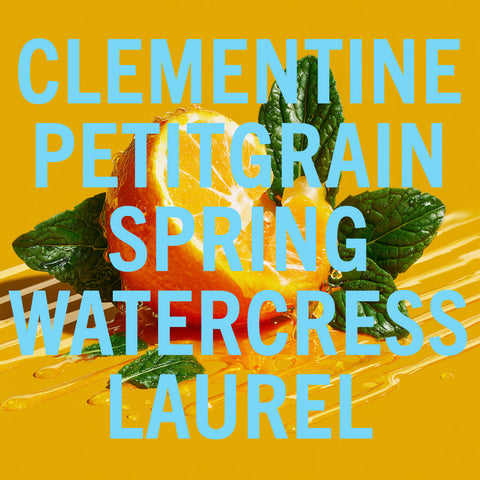
- Fragrance Cycling: Don't wear the same scent every single day. By rotating your wardrobe—perhaps switching from a sparkling and effervescent light citrus like Clementine to a dark and mysterious luxury profile like Dark Amber Pomegranate—you prevent your brain from getting too 'comfortable' with one profile.
- Spray Away from the Face: Avoid spraying directly on your neck or chest where the molecules rise straight to your nose. Instead, try the wrists, the backs of the knees, or even the small of your back. This creates a discreet luxury aesthetic where you catch occasional 'wafts' of yourself rather than a constant stream.
- Hydrate Your Skin: Perfume lasts longer on hydrated skin. Use an unscented moisturiser to help the fragrance 'lock' into place, ensuring it actually stays on your skin all day.
The Shay & Blue Commitment to Quality
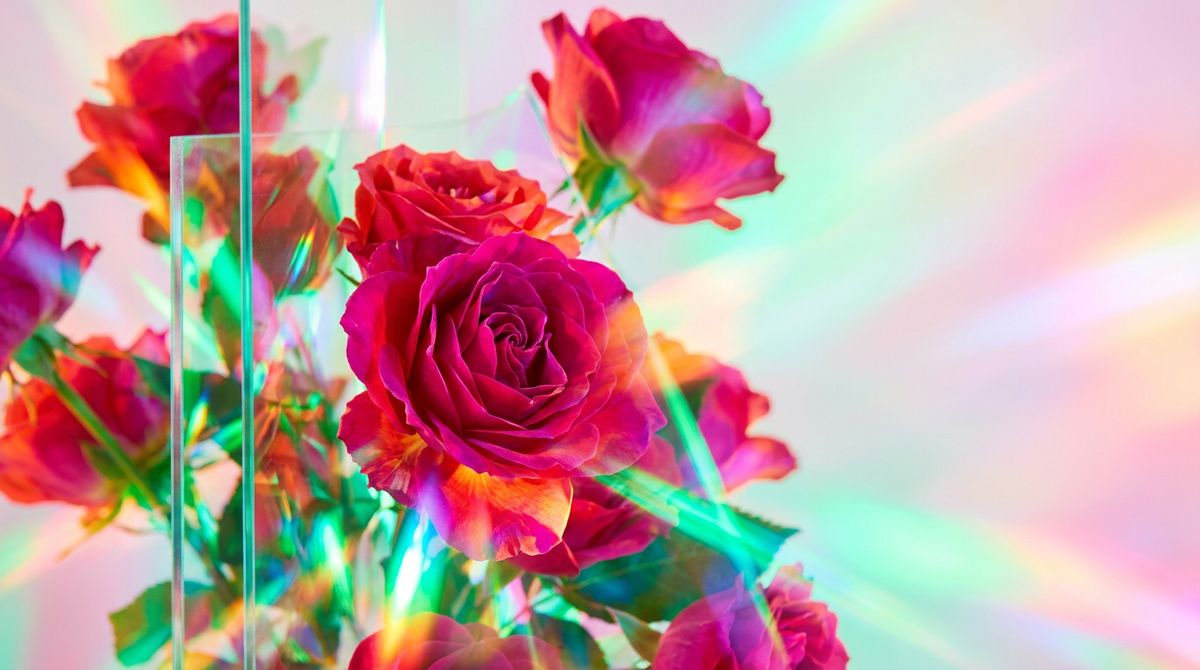
At Shay & Blue, we take our small-batch / artisanal craftsmanship seriously. Every bottle is PETA-certified cruelty-free & vegan and crafted with high concentrations of real ingredients. Whether you prefer a hyper-realistic dewy floral like Wild Roses or an elegant adult gourmand, our scents are built to last.
When you feel your perfume has disappeared, remember it is often just your brain's way of saying, "I've got this, you smell great, now let's focus on the rest of the day." It is a sign of a perfectly balanced, office-safe fragrance that integrates with your personal chemistry.
"A great fragrance should be like a warm hug in a bottle—present when you need comfort, but never suffocating."
What’s Next?
Now that you understand why your nose occasionally takes a break, it is time to look at how different scent families behave on the skin. In Lesson 04, we will explore the different 'Life Cycles' of fragrance—from the initial fresh and juicy opening down to the creamy and smooth dry down—and how to choose a scent that matches your desired longevity.
Ready to find a new scent to test your senses? Explore our Black Tulip 10ml for a day to night fragrance that is decadent as it is deadly.



















Share:
How to Make Your Perfume Last Longer
How Perfumers Actually Smell a Fragrance