 Welcome to...
 Austria
 Belgium

The world of high-end perfumery is often shrouded in mystery, marketing jargon, and a fair amount of misinformation. For many, the assumption is simple: if a bottle costs £300, it must be better, last longer, and contain more "natural" ingredients than a more affordably priced alternative. However, the reality of the fragrance industry is far more nuanced.
At Shay & Blue, we believe in a transparent approach to perfumery. In Lesson 05 of our scent education series, we are pulling back the velvet curtain to debunk common perfume myths and explain what actually constitutes a quality fragrance. Whether you are looking for fragrance longevity or trying to understand intimate sillage, this guide will help you navigate the shelf with confidence.
Myth 1: Higher Price Always Equals Higher Quality
One of the most persistent perfume myths is that a hefty price tag is a direct indicator of the juice's quality inside. While luxury heritage brands do use high-quality materials, a significant portion of that £250–£400 price point often goes towards global advertising campaigns, celebrity ambassadors, and elaborate packaging.
A discreet luxury aesthetic focuses on the liquid itself. At Shay & Blue, our small-batch, artisanal craftsmanship ensures that we invest in the highest quality ingredients—like real flowers, fruits, and spices—without the astronomical markup. A fragrance that smells expensive but not too strong is often a result of a master perfumer’s skill, such as Julie Massé, rather than the marketing budget of a multinational corporation.
The Value Proposition
When evaluating a scent, look for the high value-to-quality ratio. Does the fragrance feel complex? Does it have a true-to-note linear dry down, or does it vanish into a generic chemical cloud after twenty minutes? These are the hallmarks of quality, regardless of the price.
Myth 2: Perfume Concentration Dictates Longevity
Many consumers believe that an Eau de Parfum (EdP) will always outlast an Eau de Toilette (EdT) because it has a higher oil concentration. While concentration matters, it is not the only factor in fragrance longevity.
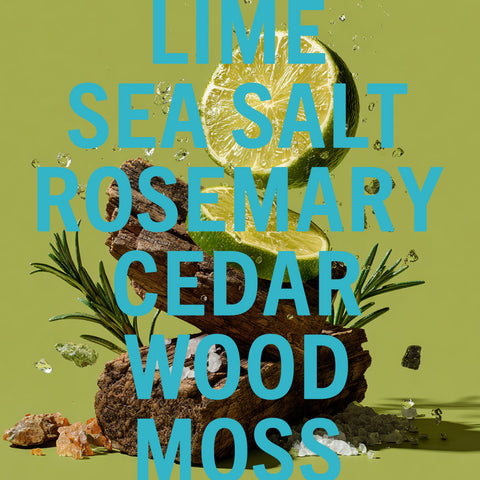
The tenacity of a scent depends largely on the volatility of the ingredients. For example, a heavy citrus scent like Sicilian Limes starts off fresh but dries down to a robust base of rosemary and moss. Because citrus molecules are small and light, they evaporate quickly. Conversely, a scent with heavy base notes like Blacks Club Leather will naturally stay on the skin for hours due to its rich leather and wood profile.
The Performance Myth
When someone asks for a perfume that actually stays on my skin all day, they are often looking for specific fixatives rather than just a high oil percentage. Modern perfumery uses ingredients like Orcanox to achieve 12-hour longevity on fabric and skin, providing that your-skin-but-better finish that lingers beautifully without being cloying.
Myth 3: Natural Ingredients are Better than Synthetics
The "all-natural" trend has led to the misconception that synthetic molecules are "cheap fillers" or harmful. In reality, some of the most iconic scents in history—and the most sustainable ones today—rely on a blend of both natural and nature-identical synthetics.
- Sustainability: Over-harvesting natural ingredients can devastate local ecosystems. Synthetics allow us to recreate the scent of rare woods or flowers without harming the environment.
- Safety & Ethics: Many natural extracts are highly allergenic. Furthermore, Shay & Blue is proud to be PETA-certified cruelty-free and vegan, which often requires using synthetic alternatives to animal-derived musks (like civet or castoreum).
- Creativity: Certain scents, like the smell of a dewy morning freshness or sparkling and effervescent light, are impossible to extract naturally and must be carefully composed by a perfumer.
A hyper-realistic dewy floral often utilizes the best of both worlds to ensure the scent smells exactly like a real garden after it rains, rather than a muddy botanical extract.
Myth 4: A Strong Sillage Means a Better Perfume
In the world of fragrance, sillage (the trail left by a perfume) and projection (how far it travels from the body) are often confused with quality. However, a fragrance that fills an entire room is not necessarily superior; it’s simply louder.
In modern settings, particularly the workplace, many people prefer an intimate sillage / office-safe profile. This is the second-skin softness charm—a fragrance that stays close to the skin and only reveals itself when someone enters your personal space. It smells like a clean girl aesthetic: polished, professional, and refined.
For those seeking something subtle but still gets compliments, a scent like Matcha offers a green and botanical purity that is safe for the office and not offensive, yet possesses an airy and transparent weightlessness that is incredibly chic.
Myth 5: Fragrances have a Strict Gender
The idea that roses are for women and woods are for men is perhaps the oldest myth in the book. This was a marketing invention of the 20th century. At Shay & Blue, we champion gender-fluid / non-binary profiles. If a scent makes you feel cozy and like a warm hug, it’s for you.
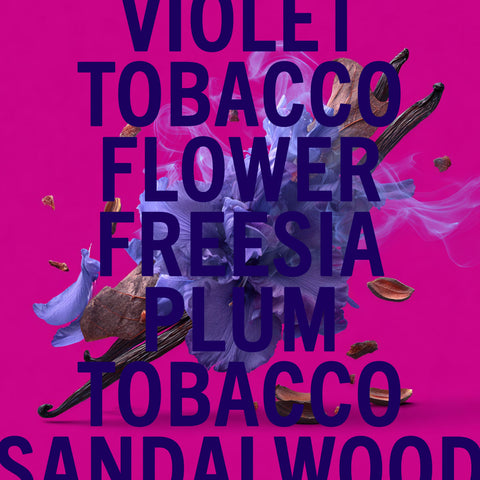
Our genderful collections, such as the cult-favourite Black Tulip, prove that an androgynous floral sophistication can appeal to anyone. It feels dark and moody but sweet, blending oriental plum with white chocolate—a sophisticated, non-cloying gourmand that defies traditional categories.
The Truth About Your Signature Scent
Ultimately, the best way to choose a fragrance is to ignore the myths and trust your nose. Does it transition well? Does it work for both work and a night out? Does the opening feel super fresh and juicy before settling into a dark and mysterious luxury?
Understanding that price isn't a shortcut to quality allows you to explore aesthetic-led discovery. You can find scents that match your mood—whether you want to feel like a sun-drenched and radiant joy or you're seeking a mineral and earthy grounding.
Lesson 06: Coming Soon
Now that we have debunked the myths that cloud the industry, it’s time to look at how your environment and skin chemistry affect the way these scents actually smell. Join us in Lesson 06: Atmospheric Scenting – How Your Environment Shapes Your Fragrance Experience.
Explore the full range of artisanal, hand-poured scents at Shay & Blue and find your next obsession.












Share:
How Perfumers Actually Smell a Fragrance
How to Build Your Signature Scent