 Welcome to...
 Austria
 Belgium
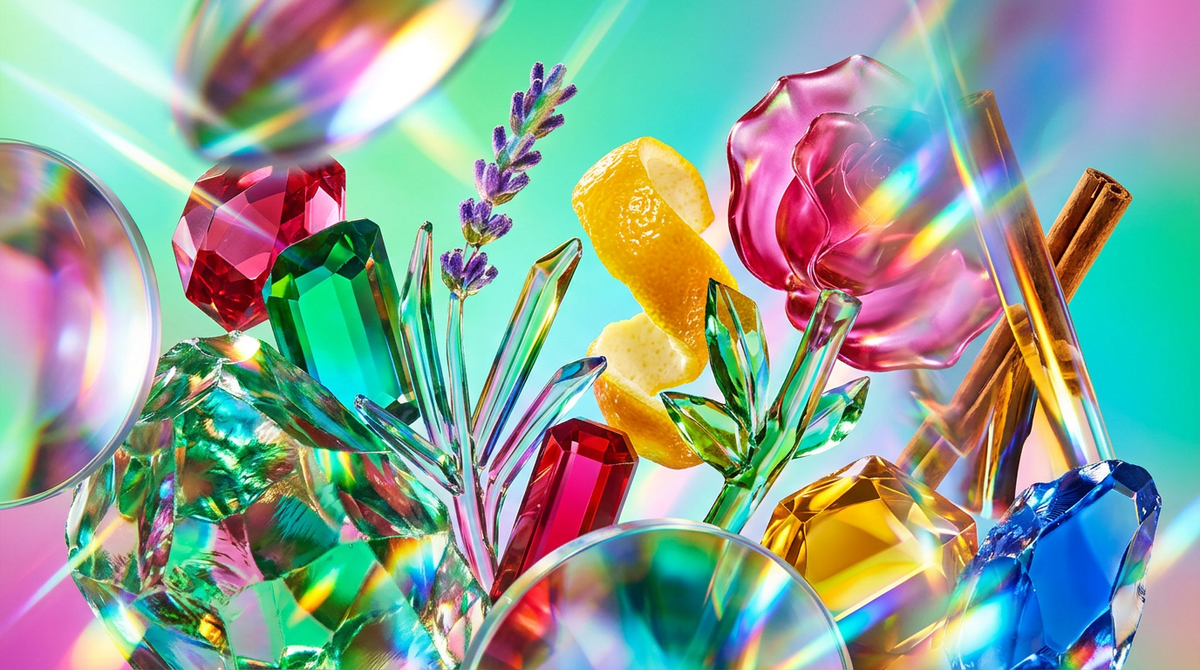
When you turn over a beautifully designed bottle of perfume, the ingredients list often reads like a botanical chemistry experiment. Amongst the alcohol and water, you will inevitably spot terms like Linalool, Limonene, Geraniol, and Cinnamol. For those with sensitive skin or a penchant for understanding exactly what they are putting on their pulse points, these names can raise questions. Are they synthetic chemicals? Are they safe? And why are they listed separately from the 'Parfum'?
At Shay & Blue, we believe in radical transparency. We understand that finding a signature scent that smells expensive but not too strong is a journey that requires trust. Whether you are looking for a your-skin-but-better finish or a bold fusion of contrasts, understanding the components of your fragrance is the first step to a safe and luxurious experience.
The Science of Scent: What Are These Compounds?
It is a common misconception that if an ingredient sounds 'chemical,' it must be man-made. In reality, Linalool, Limonene, and Geraniol are naturally occurring compounds found in the essential oils of plants. They are part of a group known as 'fragrance allergens'. Under UK and EU regulations, these specific components must be listed on packaging if they exceed a certain concentration (0.001% in leave-on products).
Linalool: The Calming Floral
Linalool is a terpene alcohol found in over 200 species of plants, most notably lavender, mint, and rosewood. In perfumery, it provides a soft, floral, and slightly spicy note. It is what gives many scents that cozy and enveloping feeling, providing a modern take on a rose scent without the 'dated' associations.
Limonene: The Zesty Energiser
If a fragrance starts off fresh but dries down to a warmer base, it likely contains Limonene. Found in high concentrations in citrus fruit peels, it provides that sparkling and effervescent light and sun-drenched and radiant joy. It smells like a fresh burst of energy, though it is one of the more common ingredients that requires clear labelling for transparency.
Geraniol: The Rosy Heart
Geraniol is the primary component of rose oil and palmarosa oil. It delivers a classic romantic bloom and is essential for creating a hyper-realistic dewy floral. It is sweet, but not too floral and not too sweet, providing a sophisticated balance.
Safety and Sensitivities: How to Choose Wisely
For the vast majority of people, these ingredients are perfectly safe and contribute to the complex beauty of a fine fragrance. However, for those with specific contact allergies, these names are vital markers. If you have ever wondered why a perfume gets you tons of compliments from strangers but leaves your skin feeling itchy, these allergens might be the cause.
At Shay & Blue, we ensure all our formulations are PETA-certified cruelty-free and vegan. By using high-quality naturals and safe synthetics, we bridge the gap between botanical purity and 12-hour longevity on fabric. Our fragrances are designed to be safe for the office and not offensive, maintaining an intimate sillage that sits close to the skin.

Expert Recommendations: Navigating the Collection
If you are exploring the world of Shay & Blue and want a scent that showcases these notes in a balanced, sophisticated way, consider these selections:
- For the Citrus Lover: Blood Oranges 30ml. This is a lip-smacking burst of refreshingly zesty fragrance. It uses the natural power of Limonene to create an opening that is super fresh and juicy, before settling into a moody and mysterious but still wearable base of leather and musk.
- For the Floral Minimalist: Orange Blossom 100ml. A gorgeous example of Geraniol and Linalool working in harmony. It feels like a dewy morning freshness in a Mediterranean garden. It is a modern take on a rose scent profile that uses white orchid for a creamy and smooth finish.
- For a Bold Choice: Rhubarb Sandalwood 10ml. This travel-sized gem offers a true-to-note linear dry down. The sharp tang of rhubarb (containing citrus-like molecules) meets a cozy and like a warm hug sandalwood base. It’s a perfectly unisex choice that transitions perfectly from day to night.
FAQ: Common Fragrance Ingredient Questions
Does Linalool mean the perfume is natural?
Not necessarily. Linalool can be extracted from plants or created in a lab. In Shay & Blue scents, we focus on small-batch, artisanal craftsmanship, ensuring that every note serves a purpose, whether it is for scent profile or stability.
Why does my perfume smell different after four hours?
This is the natural evolution of fragrance. Top notes like Limonene are volatile and evaporate quickly, providing that initial sparkling and effervescent burst. The heart and base notes, like Cinnamol or deeper musks, stay on the skin longer, providing that 12-hour longevity many of our customers love.
Are these ingredients safe for children or pets?
While safe for human skin in regulated concentrations, we always recommend keeping fragrances away from young children and avoiding spraying them directly onto pets, as their respiratory systems and skins are far more sensitive than ours.
Conclusion: Informed Beauty
Choosing a fragrance should be an act of joy, not a cause for concern. By understanding that Linalool, Limonene, Geraniol, and Cinnamol are standard, regulated components of fine perfumery, you can shop with confidence. Whether you seek something that smells like a clean girl aesthetic or a dark and mysterious luxury for the evening, Shay & Blue offers transparently labelled, beautifully crafted options for every preference.
Ready to find your next favorite? Explore our layerable and customizable collection and discover a scent that actually lasts through a whole work day and reflects your unique identity.





















Share:
Is Black Tulip Fragrance Good for Office Wear?
The Complete Guide to Wild Roses Fragrance 10ml: Notes, Longevity, and Occasion